Restore Hot Water and Extend Equipment Lifespan
Water Heater Repair and Maintenance in Tyler for homes experiencing inconsistent hot water or aging tank systems
Deeply Rooted Plumbing LLC repairs and maintains residential water heaters throughout Tyler, Texas. When your shower turns cold halfway through, the tank makes loud popping sounds, or you see water pooling around the base, the water heater is signaling a problem that will worsen if ignored. This service includes diagnosing heating failures, replacing worn components like thermostats and elements, flushing sediment buildup, testing pressure relief valves, and performing routine maintenance to keep your system running efficiently.
Water heaters fail for predictable reasons, including sediment accumulation that insulates the heating element, corroded anode rods that no longer protect the tank lining, and faulty thermostats that prevent water from reaching the set temperature. Regular maintenance catches these issues before they lead to complete failure, and repairs restore consistent hot water without the expense of full replacement when the tank itself is still sound. Both tank-style and tankless systems are serviced, with procedures tailored to each design.
If your water heater isn't performing as expected or you want to schedule maintenance to prevent breakdowns, reach out to arrange a service visit in Tyler.
What Repair and Maintenance Involve
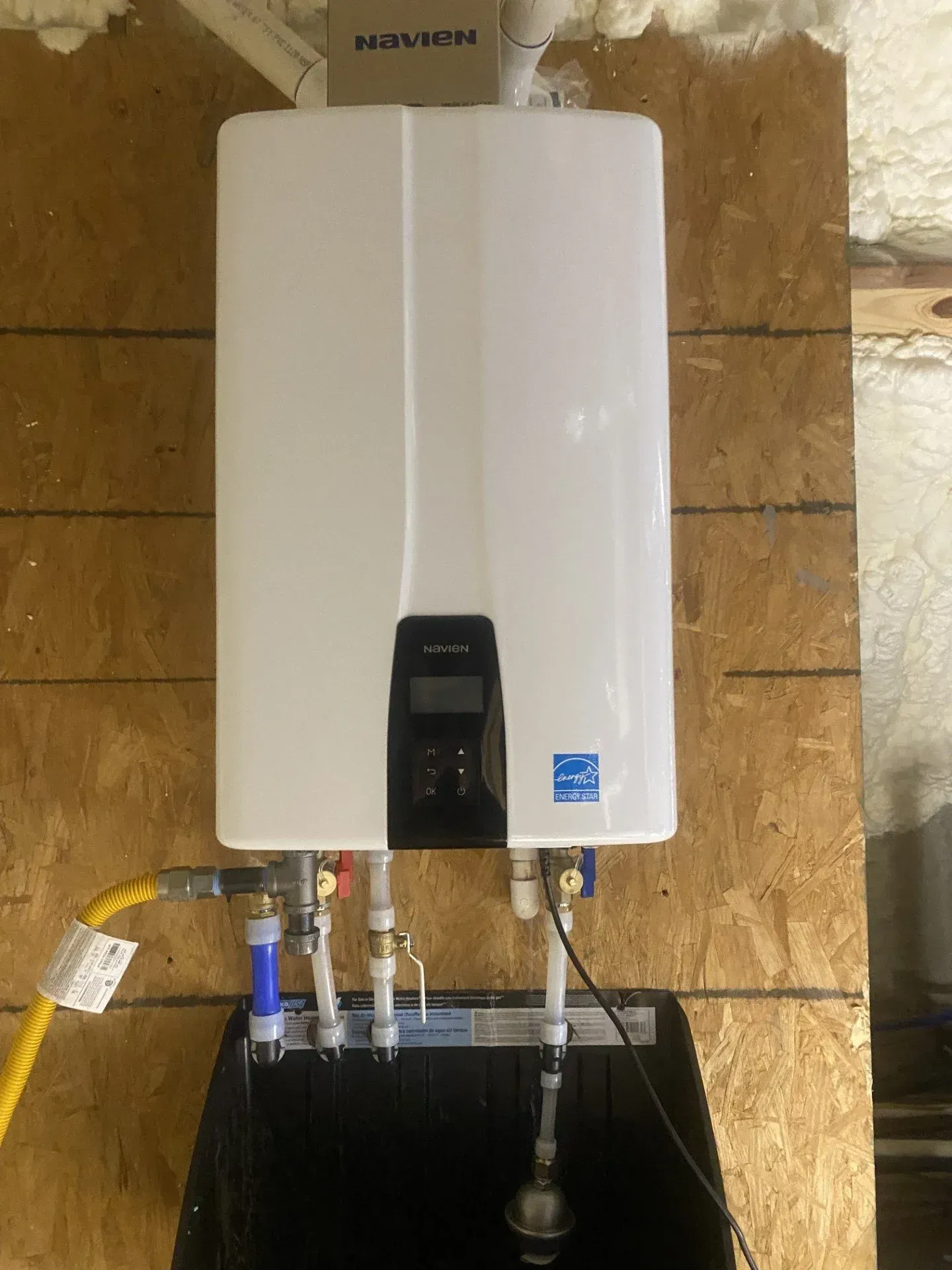
You'll see the water heater inspected for visible issues like leaks, rust stains, or loose fittings, then tested to measure water temperature, recovery time, and pressure levels. A multimeter checks electrical components on electric models, and gas valves and burner assemblies are examined on gas units. Sediment is flushed from the tank by draining several gallons through the drain valve, which removes mineral deposits that reduce heating efficiency and cause rumbling noises.
After repairs or maintenance, Deeply Rooted Plumbing LLC confirms that hot water reaches the desired temperature, the tank refills and heats properly, and all safety devices like the temperature-pressure relief valve operate correctly. You'll notice hot water returns to faucets and showers without delay, the system runs quietly, and energy bills may decrease as the unit heats more efficiently without sediment insulation. Tanks that have been maintained regularly often last several years beyond their expected lifespan.
Common repairs include replacing heating elements, adjusting or replacing thermostats, installing new anode rods, fixing gas control valves, and repairing leaking drain valves or supply connections. Annual maintenance includes flushing sediment, testing the relief valve, inspecting the venting system on gas models, and checking for signs of internal corrosion. Replacement is recommended when the tank itself is leaking, as internal tank failures can't be repaired and pose a risk of flooding.
What Homeowners Want to Know About Water Heater Service
Water heater issues raise questions about whether to repair or replace, and how to prevent future problems. Here are the answers Tyler homeowners need most.
How do you know if a water heater needs repair or replacement?
If the tank is leaking from the bottom or showing widespread rust, replacement is necessary, but issues like inconsistent temperature or slow recovery usually indicate repairable component failures like thermostats or elements.
What causes sediment buildup in water heaters?
Minerals in Tyler's water supply settle to the bottom of the tank over time, forming a layer that insulates the heating element and reduces efficiency, which is why flushing the tank annually helps maintain performance.
Why does my water heater make popping or rumbling noises?
Popping sounds occur when water trapped beneath hardened sediment boils and breaks through the mineral layer, a sign that the tank needs flushing to remove accumulated deposits.
How often should a water heater be maintained?
You should have the tank flushed and inspected once a year to extend its lifespan, and the anode rod checked every three to five years depending on water hardness and usage patterns.
Can you service tankless water heaters as well as tank models?
Yes, tankless units require different maintenance including descaling to remove mineral buildup from the heat exchanger, cleaning inlet filters, and checking for error codes that indicate component failures.
Deeply Rooted Plumbing LLC handles water heater repair and maintenance for homes across Tyler, whether you're dealing with an emergency breakdown or scheduling preventive service. Call (903) 871-7668 to book your service appointment.