Remove Contaminants From Your Drinking Water
Water Filtration System Installation in Tyler for homes with hard water, sediment buildup, or chlorine taste
Deeply Rooted Plumbing LLC installs whole-house and point-of-use water filtration systems that address specific water quality issues in your home. You notice the difference when water no longer leaves white deposits on faucets, when your coffee tastes cleaner, or when soap rinses completely from your skin. We install systems designed for the mineral content and treatment methods common in Tyler water supplies, matching filtration capacity to your household size and daily usage.
A filtration system intercepts contaminants before they reach your taps, appliances, and water heater. Sediment filters capture particulates that cloud water or clog aerators. Carbon stages remove chlorine, volatile organic compounds, and substances that affect taste and odor. Reverse osmosis systems reduce dissolved solids, heavy metals, and other contaminants that pass through standard municipal treatment. The system you need depends on what your water contains and what problems you want to resolve.
Schedule a water quality consultation in Tyler to review filtration options that match your specific concerns and household needs.
How Filtration Systems Connect to Your Plumbing
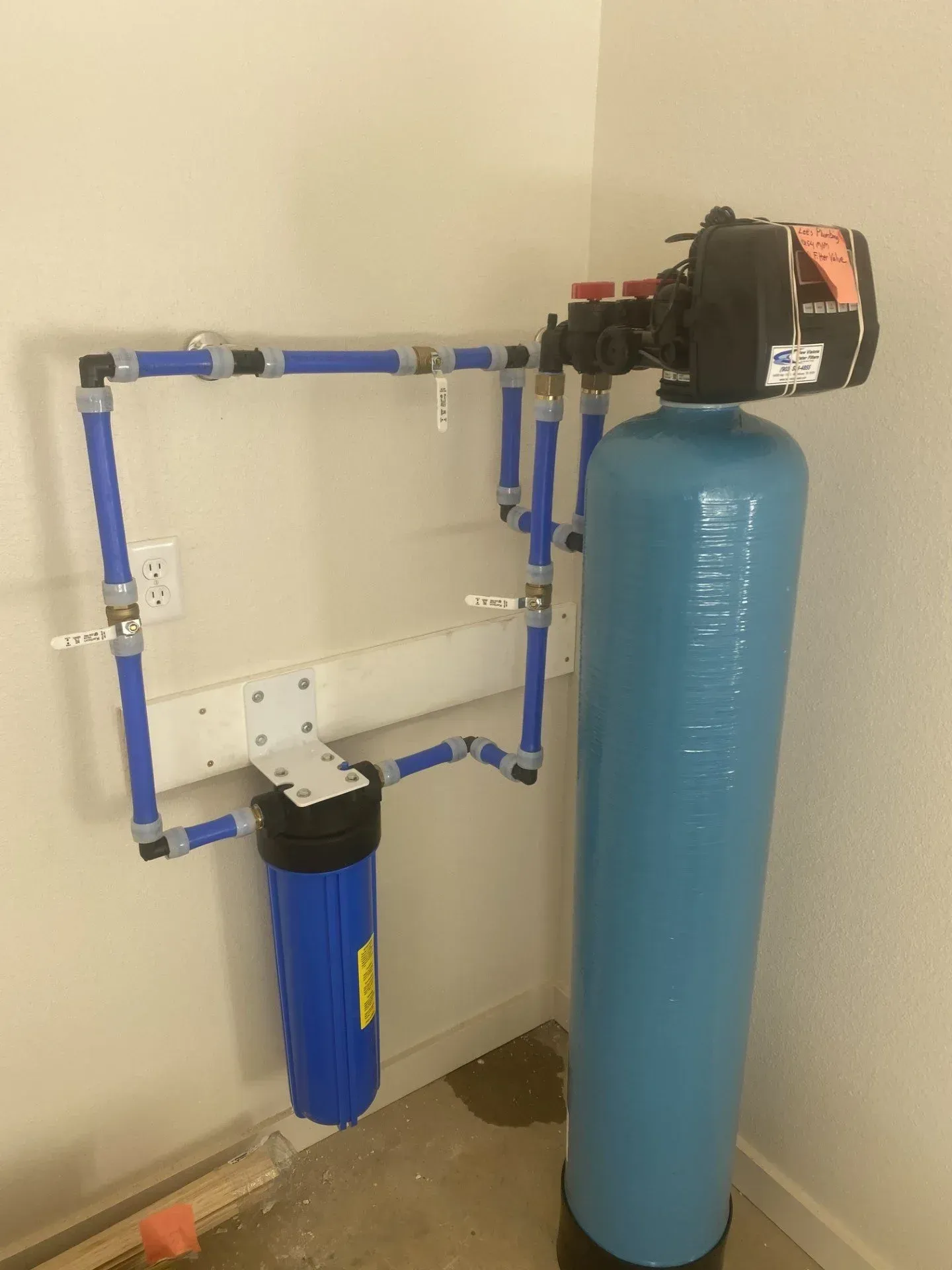
Installation begins with identifying the main water line entry point and determining whether you need whole-house filtration or a dedicated system for drinking water. For whole-house systems, we install the unit after the main shutoff valve and pressure regulator, cutting into the supply line and adding unions for future filter changes. Point-of-use systems typically connect under the kitchen sink, with a separate faucet mounted on the countertop or sink deck and a storage tank secured to the cabinet wall.
After Deeply Rooted Plumbing LLC completes installation, you turn on the tap and see water run clear without sediment or discoloration. The metallic or chemical taste that used to linger disappears. Your glassware dries without spots, and your skin feels different after showering because soap rinses away completely instead of mixing with mineral residue. Appliances connected to filtered water experience less scale accumulation, which extends their service life and maintains efficiency.
We size systems based on your household flow rate and
pressure requirements to prevent undersizing that causes weak water pressure or oversizing that wastes space and money. Filtration cartridges require replacement on schedules that vary by water usage and contamination levels, typically every three to twelve months depending on the filter stage. Some systems include pressure gauges or indicator lights that signal when service is due. We do not provide ongoing filter replacements, but we walk you through the replacement process and recommend schedules based on your water test results and system specifications.
Questions About Water Quality and Filtration
Water quality concerns vary depending on whether your supply comes from a municipal system or a private well, and homeowners in Tyler often ask about filtration timing, system types, and maintenance.
What does a water filtration system actually remove from my water?
The system targets specific contaminants based on filter type: sediment filters remove particles like rust and sand, activated carbon removes chlorine and organic compounds, and reverse osmosis membranes remove dissolved solids including lead, fluoride, and nitrates.
How do I know which filtration system I need?
You start with a water test that identifies contaminants and their concentrations, then match the filtration method to those results—sediment and carbon filters handle most taste and odor issues, while reverse osmosis or specialized media address heavy metals and dissolved minerals.
When should I replace the filters in my system?
Sediment pre-filters typically need replacement every three to six months, carbon filters last six to twelve months, and reverse osmosis membranes can last two to three years, but actual intervals depend on water quality and daily usage volume.
Why does water pressure drop after installing a filtration system?
Filtration media creates resistance as water passes through, and undersized systems or clogged filters restrict flow—proper sizing during installation and timely filter changes maintain adequate pressure throughout your home.
How does Tyler water quality affect my choice of filtration system?
Municipal water in Tyler is treated with chlorine and may carry minerals that cause hardness, so carbon filtration addresses taste and odor while water softeners or scale inhibitors handle mineral deposits, and well users may need additional stages for iron or sediment common in the area.
Deeply Rooted Plumbing LLC installs filtration systems that match your water test results and household flow requirements. Contact us at (903) 871-7668 to discuss system options and installation details for your property in Tyler.