Connect Appliances Safely to Natural Gas
Gas Line Installation and Repair in Tyler for kitchens, water heaters, furnaces, and outdoor equipment requiring fuel supply
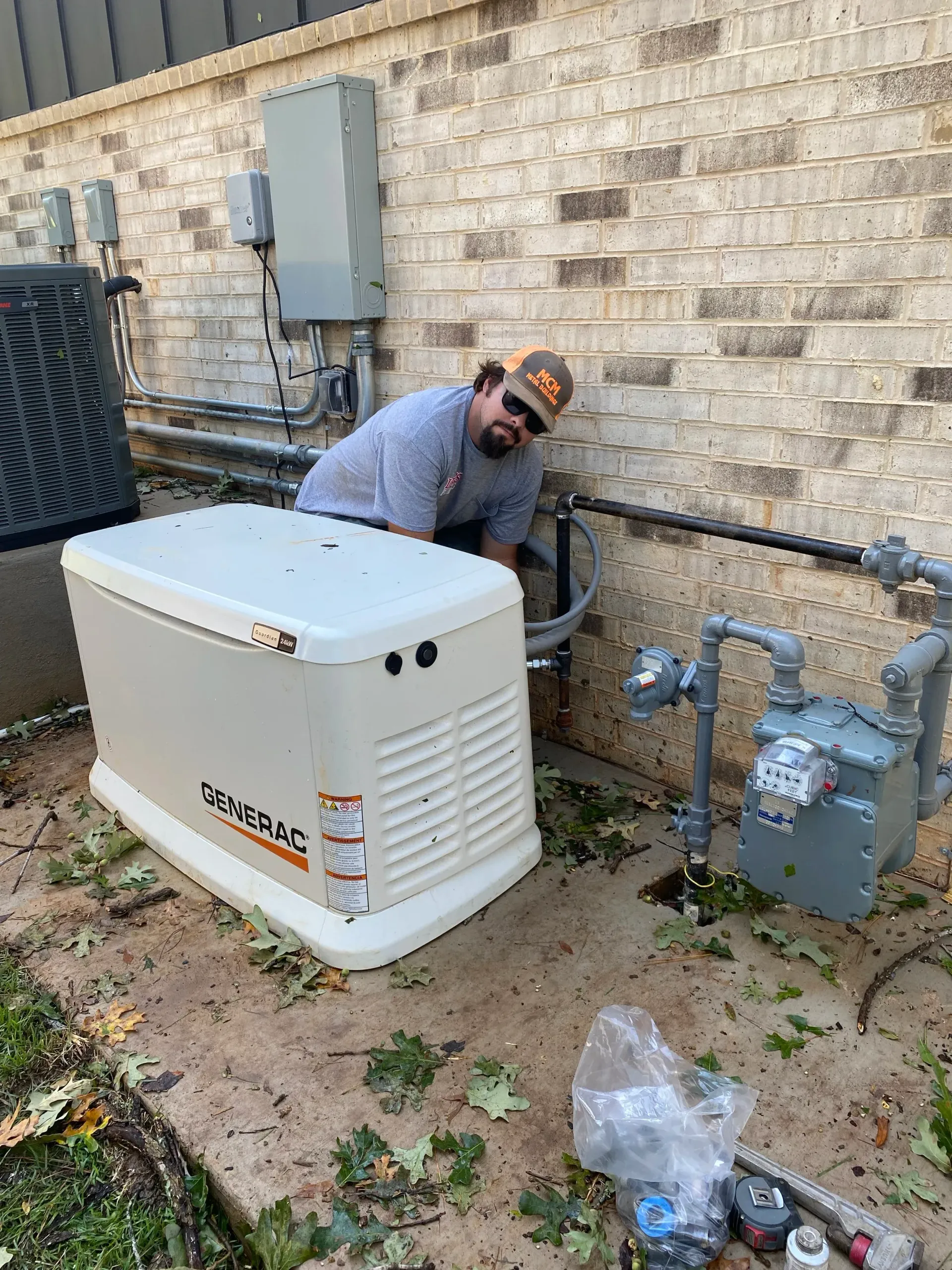
Deeply Rooted Plumbing LLC installs and repairs gas lines that deliver natural gas or propane to appliances throughout your home. You rely on these lines every time you turn on a stove burner, adjust a tankless water heater, or fire up an outdoor grill connected to a permanent fuel source. We run black steel or corrugated stainless steel tubing from your meter or tank to each appliance location, following code requirements for pipe diameter, support intervals, and pressure testing that ensure safe operation.
Gas line work requires precision because leaks pose immediate hazards. We size pipe based on the total BTU load of connected appliances and the distance from the supply source, calculating pressure drop to ensure each appliance receives adequate fuel. New installations involve cutting and threading steel pipe or securing compression fittings on flexible stainless lines, then coating joints with approved pipe dope or thread sealant. Every connection undergoes pressure testing with gauges and leak detection fluid to confirm integrity before we restore gas service and light pilot flames.
Contact Deeply Rooted Plumbing LLC in Tyler to schedule gas line installation or repair for residential or light commercial properties.
When Gas Lines Need Repair or Replacement
You know you have a gas line issue when you smell the sulfur-like odorant added to natural gas, hear hissing near a connection point, or notice appliances that fail to ignite or burn with yellow flames instead of steady blue. We respond to these situations by shutting off gas at the meter or appliance valve, then inspecting the line with soap solution or electronic leak detectors that pinpoint escaping gas. Repairs may involve tightening loose fittings, replacing corroded pipe sections, or re-threading damaged connections that no longer seal properly.
After repair or installation, your appliances ignite immediately when you turn the control knob, flames burn blue and consistent without flickering or lifting off the burner, and you no longer detect any gas odor near connections or along pipe runs. The pressure gauge at your meter holds steady without dropping, confirming that all joints remain sealed under operating pressure. Deeply Rooted Plumbing LLC verifies that each appliance receives the correct gas pressure by measuring at the inlet and adjusting regulators if needed to match manufacturer specifications.
We install gas lines for ranges, cooktops, wall ovens, tankless water heaters, furnaces, fireplaces, pool heaters, and outdoor grills. Installations follow local code for pipe material, joint types, and support spacing, and we pull permits for work that requires inspection. We do not service underground propane tanks or perform gas utility meter work, but we connect to existing meter outlets and tank regulators. Old homes with galvanized gas pipe sometimes need full replacement if threads have deteriorated or if the pipe no longer meets current load requirements.
Common Questions About Gas Line Work
Gas line projects involve safety regulations and material choices that homeowners in Tyler often want clarified before scheduling installation or repair.
What causes a gas line to leak after years of working correctly?
Threaded steel pipe connections can loosen from vibration or thermal expansion, and corrosion sometimes thins pipe walls until pinhole leaks form, while flexible connectors degrade if exposed to heat or physical stress beyond their ratings.
How do you size a gas line for a new appliance?
We calculate total BTU demand for all appliances on the line, measure the distance from the meter to the farthest appliance, then reference sizing charts that account for pipe diameter and pressure drop to ensure adequate flow without starving any burner.
When is it necessary to replace an entire gas line instead of repairing a section?
Full replacement is required when multiple leaks indicate widespread corrosion, when you add appliances that exceed the existing line capacity, or when outdated materials like galvanized pipe no longer meet current code in Tyler.
Why do you pressure test gas lines after installation?
Pressure testing with air or nitrogen at higher-than-operating pressure reveals leaks at joints before we introduce combustible gas, and the test must hold steady for a specified duration to confirm that all connections seal properly under load.
How does installation differ between natural gas and propane systems?
Propane operates at higher pressure than natural gas, so fittings and regulators must match the fuel type, and orifice sizes in appliances differ because propane delivers more BTUs per cubic foot than natural gas.
Deeply Rooted Plumbing LLC handles gas line installation and repair with attention to safety codes and proper sizing for your appliances. Reach us at (903) 871-7668 to discuss your gas line needs in Tyler or surrounding areas.